
How to Stop Yelling at Your Kids (What to Say Instead + Scripts That Work)
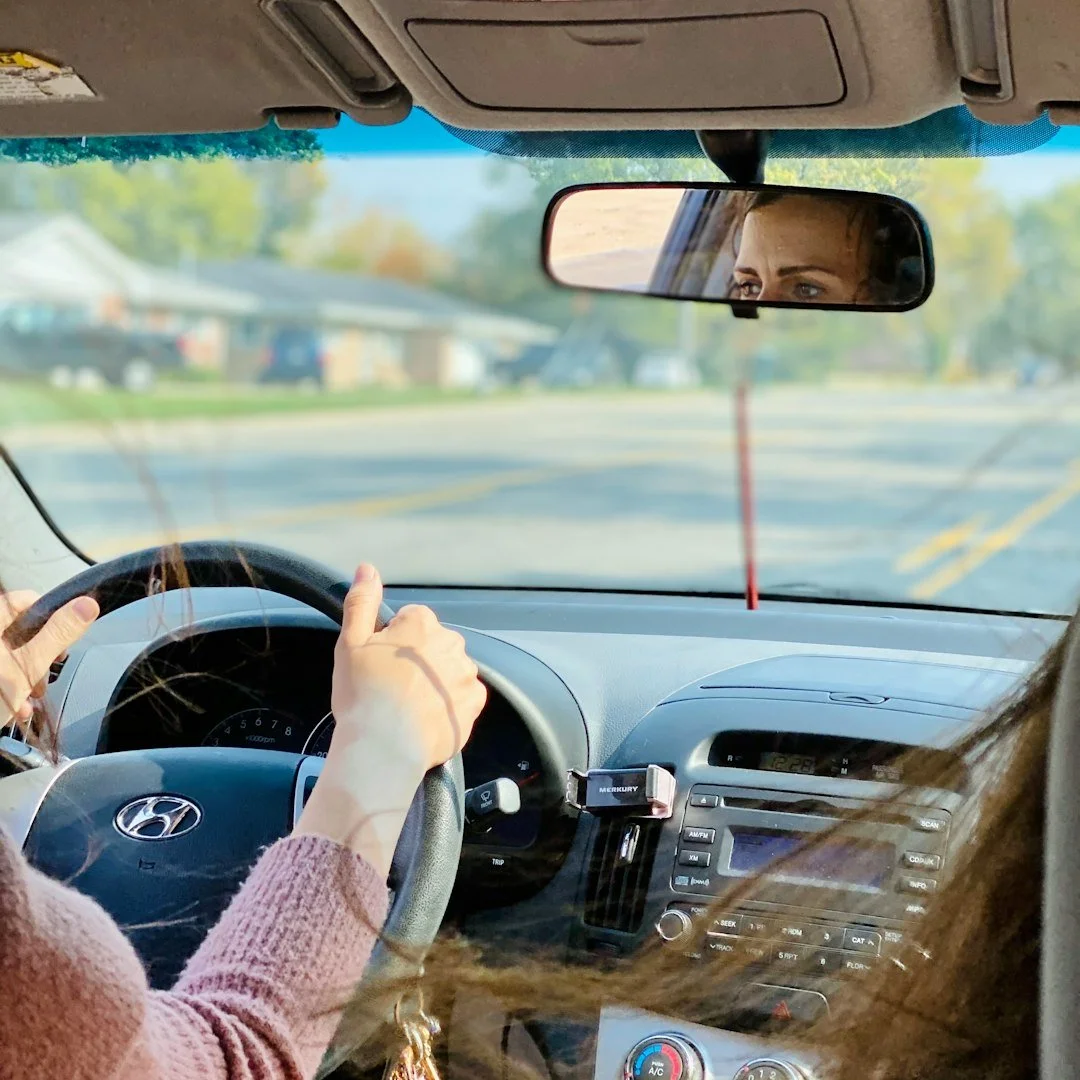
Photo by Tracy Anderson on Unsplash
Years ago, when my kids were 3 and 4 years old, I completely lost it on them while we were driving.
It was an accumulation of many things - my stress levels were high, my reserves were depleted, they were fighting in the backseat, and we were already running late.
I don't remember what I shouted at them, but it was loud, and it was harsh.
My son Desi responded with: "Mommy, those are really strong words you're using."
While it was my most shameful moment as a parent, hearing Desi say that was one of my proudest.
He was able to say that because my husband and I had been practicing this kind of communication in front of them. There had been enough modeling up until that point that they could recognize it and name it.
I was able to give them both a hug and apologize for losing my cool.
While it's embarrassing to admit how I first reacted, it's also that feeling of tremendous gratitude - for having done enough work previously that my 4-year-old had skills you might not expect someone so young to understand.
The Reality Check: You Will Mess Up
Let me start with the uncomfortable truth: you will lose your cool. Period.
If you're waiting to become the parent who never yells, who always responds with perfect calm and wisdom, you're setting yourself up for disappointment and shame.
The myth of perfect parenting is toxic. It keeps us focused on the wrong things. Instead of learning how to be human in front of our kids, we're trying to be superhuman - which is neither sustainable nor helpful for anyone.
What kids actually need to see is not flawless parents. They need to see real humans who can make mistakes, feel big emotions, and then repair. This is what teaches them emotional intelligence.
What's Really Happening When We Yell
Parental meltdowns happen when we're operating from a depleted nervous system.
Think about the last time you snapped. I bet it wasn't really about the thing that set you off. It was about the accumulation - the sleepless nights, the work stress, the mental load of managing everyone's schedules, the fact that you haven't had five minutes to yourself in weeks.
According to research on parental stress, when our stress response is activated, our prefrontal cortex - the part of our brain responsible for rational thinking and emotional regulation - goes offline. We literally can't access our best parenting self in those moments.
This happens to good parents. It doesn't mean you're failing!
The Magic Isn't in Not Messing Up - It's in the Repair
Here's what I realized after that car incident: Desi's response wasn't a fluke. It was the direct result of months and years of his witnessing the repair between his dad and me.
He'd seen us have conflicts. He'd heard us use "strong words" with each other. But he'd also seen us apologize, take responsibility, and make things right.
Child development experts call this "rupture and repair." Ruptures in relationships are inevitable and actually beneficial when they're followed by repair. It's through this process that children learn resilience, emotional regulation, and healthy relationship skills.
The win wasn't that I never lost my cool. The win was that my 4-year-old had the language and confidence to name what was happening. That doesn't come from perfect parenting - it comes from consistent modeling of repair.
Your Script Library: What to Say When You Mess Up
We, of course, don't want to model shitty behavior - but as humans, we sometimes slip, and what's more important is what we do with that shitty behavior after the fact.
Here are a few phrases to keep in your back pocket that can help you model the good behavior and communication:
To say to your spouse:
"I need a minute to myself to regroup. I'll be back in 10 minutes."
"Hey, do you need a few minutes to yourself to regroup?"
"Hey, you seem to be struggling with something - is there anything you need?"
These phrases do several things: they normalize big feelings, they model self-awareness, and they show your kids that adults can support each other through difficult moments. When children see their parents treating each other with this kind of care and attention, they learn what healthy relationships look like.
To say to your kids:
"We love you guys very much, we're just having a conflict - it's normal to have conflict, but we could've done it less loudly."
"Hey, Daddy was just having a hard time with his feelings. His feelings aren't your responsibility to take care of or to try to fix. He's just trying to process his big feelings. We all have big feelings sometimes, but we don't need to fix them for each other."
"Mommy can feel how upset she is. I need to take a time out and have a moment to myself. I love you - I'll just be sitting over here for a minute." (And then model closing your eyes, taking a few deep breaths, and feeling your nervous system start to settle, even if it means you're going to be late.)
Notice how these scripts do something crucial: they separate the child from responsibility for the adult's emotional state. Kids naturally want to fix things, especially when their parents are upset. These phrases teach them that while feelings are normal and acceptable, they don't need to manage them for other people.
To say to yourself:
"She who keeps her peace wins the war."
This mantra came out of my experience that day in the car, and it has stuck with me ever since. It's something I often say to myself to stay calm when emotions are high. Give it a try!
This isn't about suppressing your feelings or pretending you're not upset. It's about creating space between the feeling and your reaction. When you can pause, even for a few seconds, you can choose how to respond rather than just react.
Other helpful self-talk includes:
"This feeling will pass."
"I can feel angry and still choose my response."
"My kids need to see me handle this well, not perfectly."
Quick nervous system reset techniques that you can model in real-time:
Take five slow, deep breaths
Feel your feet on the ground
Name three things you can see around you
Roll your shoulders back and release tension
The Deeper Impact: Generational Healing
Feelings are normal, healthy, and important. And by naming them out loud, we can have more understanding with our spouses and with what we model for future generations.
And that's the revelation I had recently - as much as my therapy work is here to help the couples themselves, my deeper why is to help the generations that come after us.
Whether or not you have kids of your own, how you act inside your relationship can absolutely have an impact on the next generation.
It's about bringing the healthy love forward.
Think about the messages you received about emotions growing up. Maybe you learned that anger was dangerous, that sadness was weakness, that conflict meant someone didn't love you anymore.
Those patterns don't have to continue. Every time you repair with your partner in front of your kids, every time you model taking responsibility for your emotions, every time you show that conflict doesn't mean the end of love - you're literally rewiring generational patterns.
Your repair work today becomes your child's template for healthy relationships tomorrow. When they grow up and face conflict in their own relationships, they'll have a different reference point. They'll know that people who love each other can hurt each other's feelings and still find their way back to connection.
Your Homework This Week
Pick one script from this list and write it down somewhere you'll see it regularly - your phone notes, taped to your bathroom mirror, whatever works.
Notice your triggers. What are the early warning signs that you're getting depleted? Is it when you start feeling rushed? When you haven't eaten? When you've been "on" for too many hours without a break?
Practice the "she who keeps her peace wins the war" mantra during a low-stakes moment first. Try it when you're stuck in traffic or waiting in a long line.
Remember that repair can happen immediately or later. If you're too activated in the moment, it's okay to say, "I need to calm down first, and then we'll talk about what just happened."
Are you with me?
The goal isn't to never yell or lose your cool. The goal is to show your kids - and yourself - that even when we mess up, we can make it right. That's how we break the patterns we inherited and build something healthier for the generations that follow.
Because that's what this is really about: not just helping you parent better today, but helping the kids watching you learn what love actually looks like - messy, imperfect, and always repairable.
Want more tools like this?
I created a really simple yet super effective resource for you to get in control of your reactions and create better outcomes in conflict. It's called the Loop Breaker, and I'll link it below - check it out if you want practical tools to de-escalate your arguments and set better examples for your kids.

👉 P.S. Want more ways to shift your communication patterns?
Start here:
Loop Breaker– The toolkit to help stop fights before they spiral out of control
Relationship Review – A free resource to help you reflect, reconnect, and recommit
Take the Connection Quiz – Find out how strong your foundation really is