

I got a message recently from someone who's married and trying desperately to recover from her husband's infidelity this year.
She asked me: can I ever trust him again?
After 20+ years as a couples therapist, I can tell you: yes. But rebuilding trust after infidelity is one of the hardest things a couple can do, and it only works under very specific conditions. Most of them have to do with what the person who cheated is willing to do.
Here's what I told her, and what I'd tell you too.
Forgiveness Isn't Where You Start When Rebuilding Trust
A lot of people jump straight to "you have to forgive" when they talk about recovering from an affair. And yes, forgiveness matters. But forgiveness isn't the first step. Trust is something that gets earned back, and there are real, concrete steps that have to happen before it's even possible.
This lines up with what Dr. John Gottman found in his research on couples recovering from betrayal. His Trust Revival Method is a three-phase process: Atone, Attune, Attach. And the very first phase, atonement, is about the person who cheated taking complete responsibility. No excuses. No blame-shifting. No "I only did it because..."
The first step is accountability. He has to acknowledge and take full ownership of the actions he took and the hurt he caused. And probably not just to you. If you've shared what happened with family or friends, he needs to acknowledge the impact there too.
I know so many people keep infidelity private because of the shame involved. That's understandable. But wherever the circle of impact extends, accountability needs to follow.
He or She Has to Do Their Own Work (Not Just Show Up for Yours)
The next thing I always recommend is individual therapy for the person who cheated. He needs to be working with his own therapist, looking at his own shame about what he did, and getting honest about whether he's truly committed to making this work.
This matters more than most people realize. Gottman's research shows that restoring trust is an action, not a belief. It's about what your partner does consistently over time, not what they say in a moment of guilt. Individual therapy is where he builds the self-awareness to show up differently, not just apologize.
Here's what I know after two decades of doing this: it's really hard to recover when someone isn't remorseful. If they get defensive, if they start justifying the cheating, I've never seen the relationship survive it.
"I only cheated because we're not having enough sex" is not a reason to cheat. Full stop.
The Intimacy Was Lost Before the Cheating Happened
The path back to trust doesn't actually start with rebuilding physical intimacy. It starts with rebuilding emotional intimacy.
This is the part that often gets skipped. Couples want to rush to "normal," but the emotional connection has to come first. He needs to be able to hear you when something feels off and not get defensive about it. He needs to be transparent about where he is, what he's doing, who he's with. Voluntarily.
Gottman calls this the Attunement phase, where couples work on understanding what made the relationship vulnerable in the first place. That means looking at the disconnection patterns, the unmet needs, the communication breakdowns that existed before the affair. This isn't about excusing the betrayal. It's about understanding the full picture so you can actually build something different.
And yes, there needs to be the ability to look at his phone when you get that feeling. Open access to devices, to accounts, to his schedule. This is the price of re-entry, and he needs to offer it willingly.

That "Crazy" Gut Feeling After Infidelity Isn't Crazy
I want to say something about that feeling. The one that makes you feel like you're losing your mind, like you're being paranoid or "crazy" for checking up on him.
That feeling is your intuition. It's your soul saying, hey, wake up. Something is off.
Don't lose trust in yourself while you're trying to rebuild trust with him. You get to honor that instinct. It's one of the most important things you have right now.
Research on betrayal trauma shows that the aftermath of infidelity often looks a lot like PTSD, including hypervigilance, flashbacks, and emotional dysregulation. That "gut feeling" isn't you being irrational. It's your nervous system doing exactly what it's supposed to do after trust has been shattered. Honoring it, rather than suppressing it, is part of healing. (Especially for women, who are often told they're "overreacting" when their instincts are spot on.)

5 Steps to Rebuild Trust After Your Partner Cheats
If you're in this, here's what needs to happen. All five of these matter, and they're not optional.
1. He takes full accountability. Not just to you, but to anyone else who was affected. No minimizing the impact, no excuses, no deflecting blame.
2. He gets into individual therapy. He needs to look at his own shame, his own patterns, and get honest about whether he's truly committed. Couples therapy is important too, but individual work is where the real self-examination happens.
3. He shows genuine remorse, not just guilt. Guilt is about him feeling bad. Remorse is about understanding your pain. If he gets defensive when you bring up how you're feeling, that's a red flag. I've never seen recovery work when someone defends against what they did.
4. He becomes fully transparent. Where he is, who he's with, open access to his phone and accounts. This isn't punishment. It's what rebuilding safety looks like. And he needs to offer it, not wait for you to demand it.
5. He listens when your gut goes off. When something feels off, you get to say so. And he needs to be able to hear it without getting defensive, without making you feel "crazy" for asking. Your intuition kept you safe. Don't abandon it now.
A caveat: this only works if he's willing
I want to be direct about this: you can't do this work for him. You can show up, you can be open to rebuilding, you can go to therapy. But if he's not willing to take accountability, get help, be transparent, and stay non-defensive, recovery isn't going to happen.
Gottman's research suggests that recovery from infidelity typically takes 18 to 24 months of consistent effort. That's a long time. And it only works when both people are fully engaged. But couples who do the work often come out the other side with more honesty, deeper intimacy, and a more intentional connection than they had before.
If he's showing up with accountability, transparency, remorse, and a commitment to his own growth, I do think recovery is possible. If he's not, you get to make a different choice. And that's okay too.
Here's your homework
If you're navigating this, write down the 3 things you need most from your partner right now to feel safe. Not what you think you should need. What you actually need. Then find a time to share them, calmly and clearly.
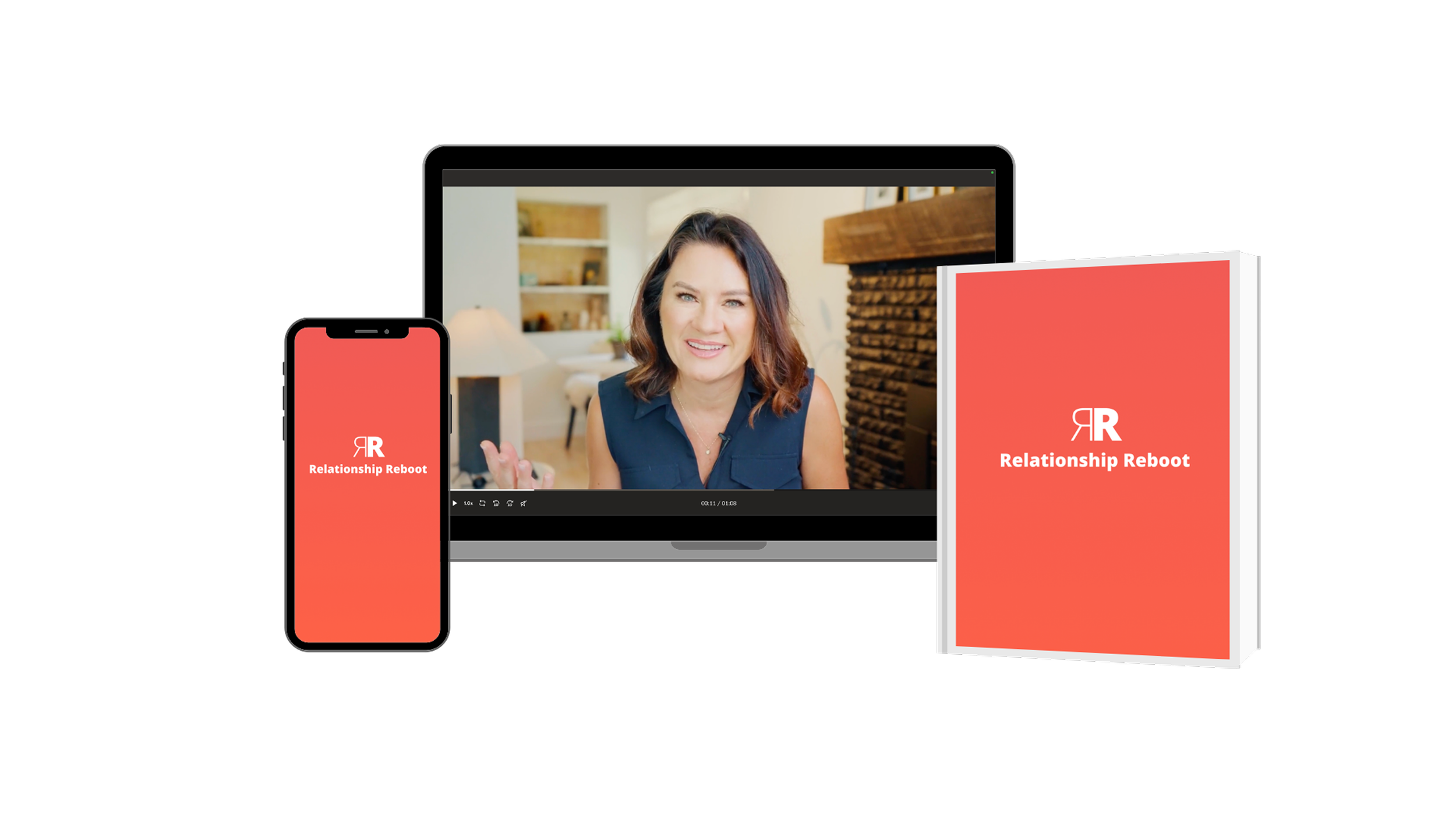
And if you're not sure how to start that conversation, or if communication has completely broken down between you, that's exactly what I built the Relationship Reboot course for.
It's a step-by-step guide to breaking old patterns and rebuilding your communication and connection, especially after a major rupture.
And for free weekly tools and scripts to help your relationship, join my newsletter Love Forward on Substack.
Rooting for you,

👉 P.S. Want more ways to shift your communication patterns?
Start here:
Loop Breaker– The toolkit to help stop fights before they spiral out of control
Relationship Review – A free resource to help you reflect, reconnect, and recommit
Take the Connection Quiz – Find out how strong your foundation really is